
THE RIGHT WORDS.
AT THE RIGHT TIME.
WITH CONFIDENCE.
Essential public information handbooks for police, fire, and rescue leaders, public information officers, emergency managers, and public relations professionals when every second counts.
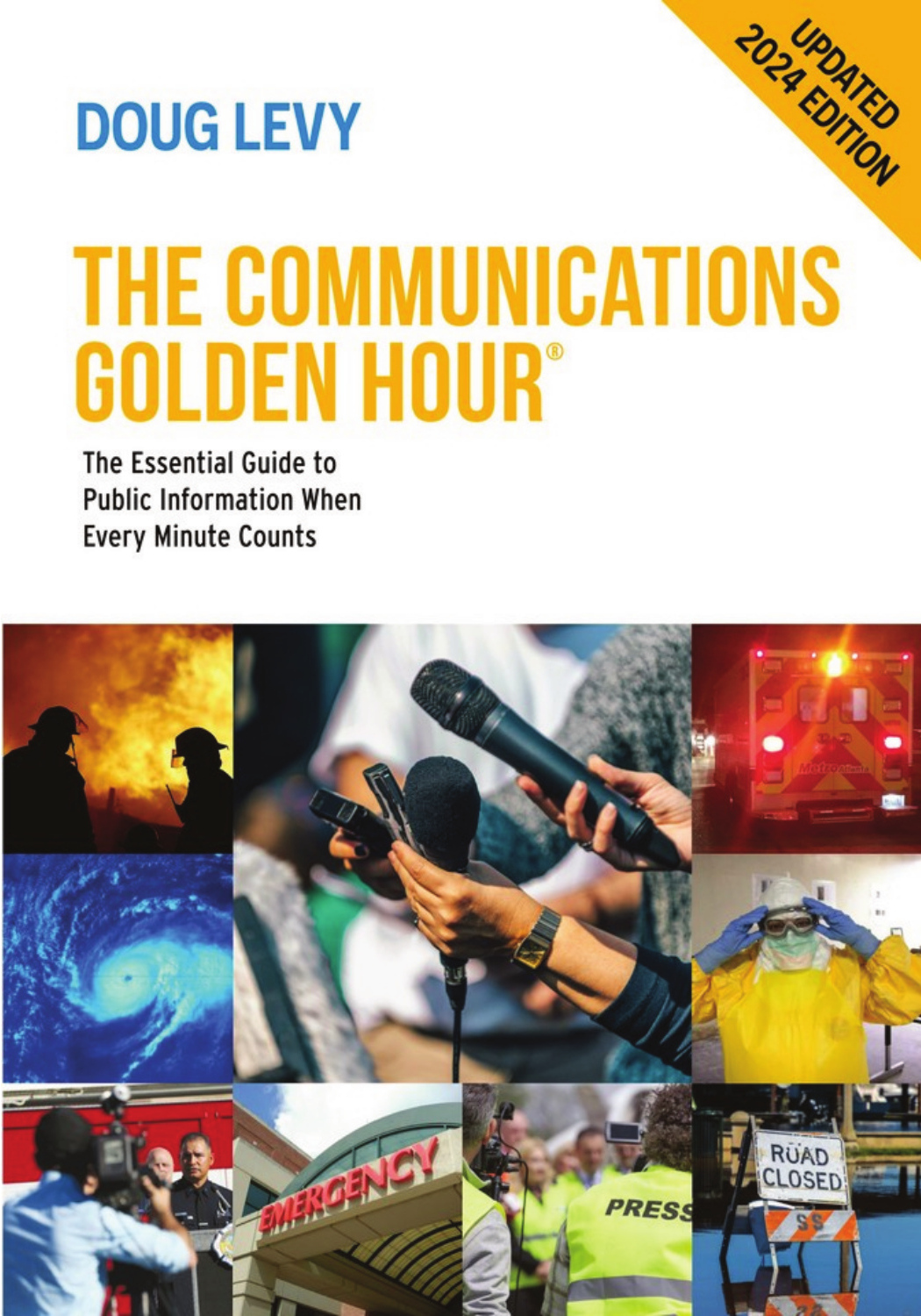
The Communications Golden Hour®
By Doug Levy · Authoritative Guide for Public Information Programs
Choose Your Handbook
Two Essential Guides For Emergency Communicators
Compare the 2024 Expanded Edition with the classic 1st Edition. Both offer step-by-step frameworks for fast, clear, and accurate public messaging.
The Communications Golden Hour®
The Essential Guide to Public Information When Every Minute Counts
In moments of crisis, clear and effective communication makes the difference between chaos and control. This authoritative expanded edition delivers frontline insights and actionable frameworks for emergency communicators.
Key Features & Capabilities:
- Organize emergency response & PIO resources under pressure
- Streamline activities to focus on what matters most in the first 60 minutes
- Craft clear, accurate key messages that combat rumor and misinformation
- Step-by-step checklists & crisis templates for fast execution
- Lessons from mass casualty incidents, wildfires & public safety crises
Ideal For:
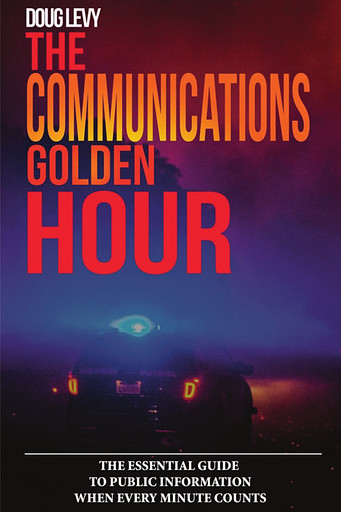
The Communications Golden Hour®
A Framework for Emergency Planning & Rapid Response
The foundational handbook that established the Communications Golden Hour framework. A tightly written reference guide for emergency communicators across police, fire, health, and local government.
Key Features & Capabilities:
- Core 60-minute emergency messaging protocol
- Templates for natural disasters, major crimes & incidents
- Tactics for managing media scrums and social media rumors
- Ready-reference guidelines for agencies of any size
- Proven framework trusted by public safety chiefs
Ideal For:
The Communications Golden Hour® (2024 Expanded Edition)
BE READY for every communications challenge ahead with the Communications Golden Hour® approach. Frontline experts share lessons learned from mass shootings, corporate reputation crises, natural disasters, the COVID-19 public health emergency, and major news events.
What You Will Learn In This Book:

Peabody Award winner, former reporter for USA Today & broadcast news.
Doug Levy
Doug Levy is a veteran communications strategist, author, and media trainer with over four decades of experience on both sides of the microphone. He began his career as a broadcast journalist covering federal government and national health news for USA Today.
For over 20 years, Doug has advised police chiefs, fire departments, university leaders, healthcare executives, and municipal officials through high-stakes crises, active incidents, public protests, and complex media scrums.
What Leaders Say About Doug's Framework
"Doug is an excellent communication strategist with strong political and business acumen. I worked with Doug on UCSF-wide emergency management policy issues and as a communication advisor to the police department on social media and public safety. He's a go-to expert who can be counted on in tense situations."

"Doug is an incredible partner under tense and challenging circumstances. Strategic, whip smart, and a talented writer, he brings valuable insight from his career as a national journalist and crisis specialist. He helps teams navigate crisis with confidence."

Communications Golden Hour® Workshops
Get your police, fire, or public health team ready for any communications challenge with a customized workshop based on the Communications Golden Hour® method.
Bulk Book Orders & Agency Invoices
Need copies of The Communications Golden Hour® for your entire department, academy cohort, or JIC team? We offer customized bulk pricing and agency purchase order invoicing.